CLIMATE CHANGE – GREEN BLAST FURNACES
DOI:
https://doi.org/10.59511/riestech.v4i01.145Keywords:
Indonesia, Charcoal, GHG emission, Blast furnace, Cohesive zoneAbstract
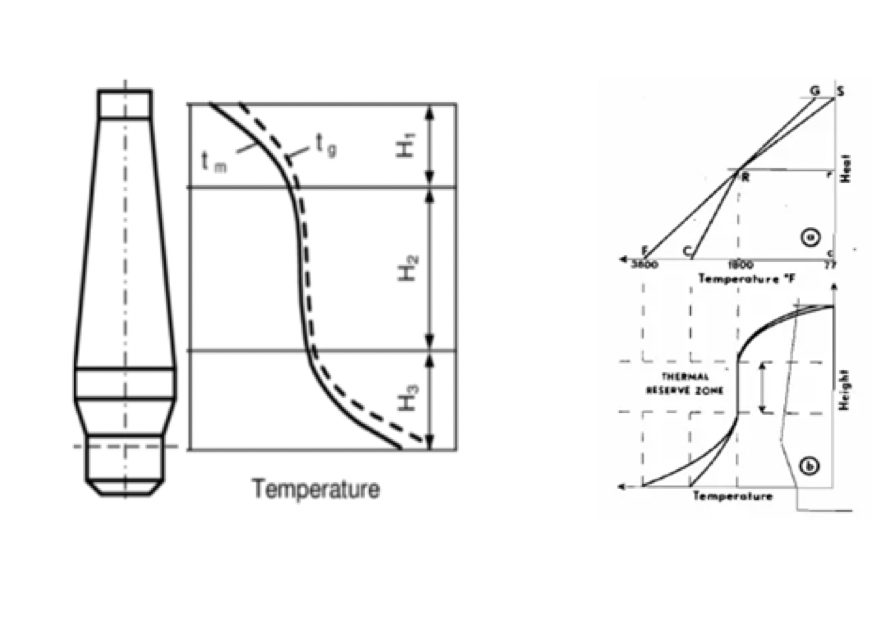
Recent paper on Climate Change in this journal considered Green Steel and argued for a DRI-EAF route using charcoal from tree branches in forest plantations that are maintained by workers using hand tools. And this will continue even more in proposing charcoal’s major use in blast furnaces. There are many operating iron blast furnaces in Indonesia and worldwide using coke and as the process is capital intensive they must be operated for a long time. This means that most blast furnaces with their coke ovens will continue producing iron and large amounts of CO2 for many years yet, making zero carbon unattainable. An obvious question is: Can coke in the iron blast furnace be substituted by the more climate friendly charcoal? And if yes, will it be economic and will the blast furnace be as productive as now? Following an exhaustive literature study this paper answers the question positively. It is demonstrated that there are two fundamentally different requirements of carbon in blast furnaces that people have not appreciated and instead followed a hundred year tradition in treating them as one. This paper exposes them as two different carbons, namely: the cohesive zone carbon and the shaft zone carbon. This is perhaps the first time that this has been done, as so far these two quite different evidence-based theory requirements of a blast furnace carbon have been invariably introduced as a single carbon, namely: coke in coke BFs and charcoal in charcoal BFs. It is also demonstrated that large blast furnaces can operate with this dual carbon burden not too differently from a 100% coke or a 100% charcoal carbon burdens. It is also good economics as cheaper charcoal is substituted for expensive coke.
Downloads