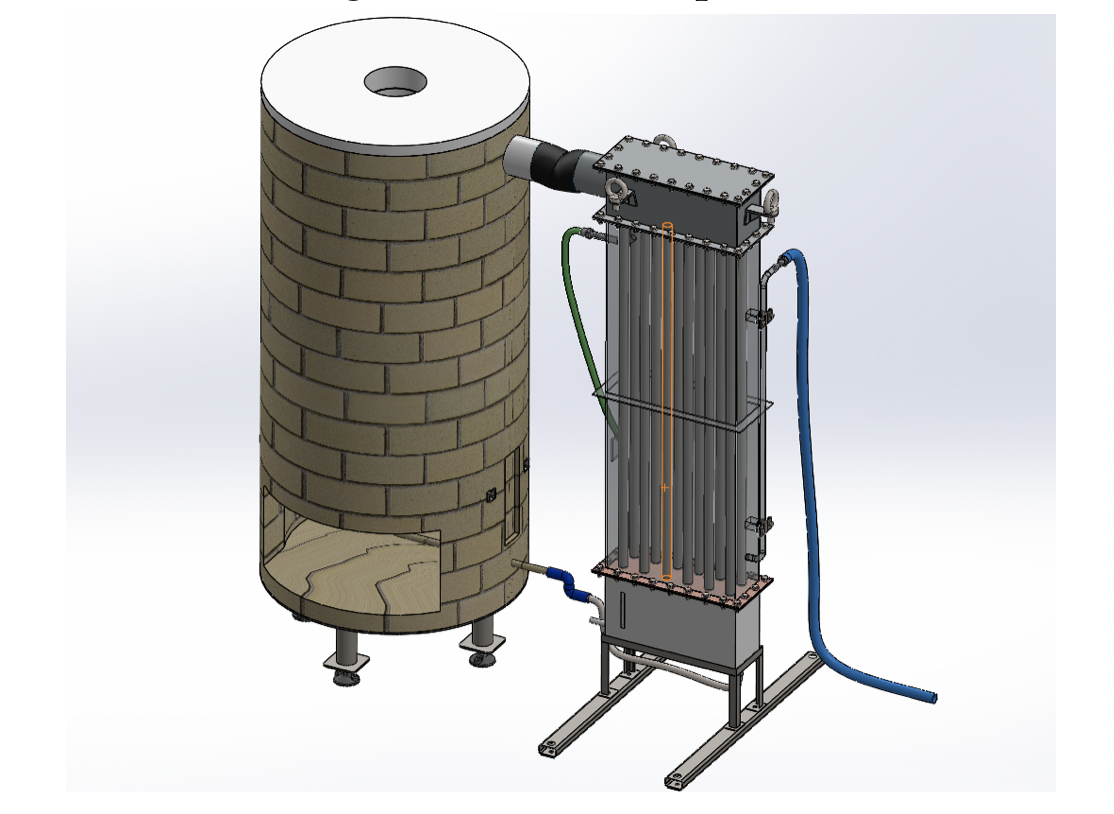
Cost and Reliability Optimization of SME-Scale Knock-Down Biomass Pyrolyzers via Value Engineering and Fault Tree Analysis
DOI:
https://doi.org/10.59511/riestech.v4i2.131Keywords:
Fault Tree Analysis, Pyrolysis Reactor, Rice Husk Waste, Sustainable Design, Value EngineeringAbstract
Small and medium enterprises in rural Indonesia are central to local growth yet often lack efficient rice husk waste management, with open burning still prevalent. This study designs an accessible knock-down biomass pyrolyzer for rural and home-scale SMEs by integrating Value Engineering and Fault Tree Analysis. The method combines functional analysis, cost breakdown, targeted simulations, and risk mapping to prioritize high-leverage improvements. The selected design includes load-indicator washers, modular knock-down joints, high-efficiency insulation, and stiffener rings in the condenser. Results indicate a structural failure risk reduction of up to 30 percent, a thermal efficiency gain of 10 to 15 percent, and only a 5.5 percent increase in production cost. Fault Tree Analysis attributes 50 percent of failures to design, 33.3 percent to assembly, and 16.7 percent to materials, while simulations show markedly lower bulging deformation, enhancing operational reliability. The final configuration is robust, quick to assemble, and well suited to rural constraints, enabling safer and more productive valorization of rice husk. The integrated approach offers a practical pathway to strengthen SME competitiveness, improve equipment reliability, and advance circular economy practices in Indonesia.
Downloads